

Kenya stands as Africa’s premier safari destination, offering year-round wildlife viewing opportunities that few places on Earth can match. However, understanding the best time to go Kenya safari transforms a good trip into an extraordinary experience. The country’s varied landscapes, diverse wildlife patterns, and distinct seasonal changes create dramatically different experiences depending on when you visit. While Kenya welcomes safari enthusiasts throughout the year, strategic timing aligns your visit with specific wildlife events, optimal weather conditions, and your personal priorities—whether witnessing the Great Migration, enjoying fewer crowds, or maximizing budget efficiency.
Understanding Kenya’s Climate and Seasons
Kenya straddles the equator, creating relatively consistent temperatures year-round, though altitude significantly affects climate. The coastal regions remain hot and humid, while highland areas like the Aberdares and Mount Kenya experience cooler temperatures. Most safari destinations occupy mid-altitude regions with pleasant daytime temperatures averaging 20-30°C (68-86°F), though mornings and evenings can be considerably cooler.
Kenya experiences two rainy seasons and two dry seasons that fundamentally shape safari planning. The long rains typically occur from March through May, while short rains fall between November and December. Dry seasons span June through October and January through February. These patterns influence wildlife distribution, vegetation density, road conditions, and overall safari logistics.
Understanding that Kenya’s seasons operate inversely to traditional northern hemisphere patterns helps international travelers plan accordingly. Kenya’s “summer” dry season coincides with winter in North America and Europe, making it an attractive escape for those seeking warmth and wildlife during colder months at home.
The Dry Season: Peak Safari Conditions
June Through October
This period represents Kenya’s primary dry season and peak safari time. From June through October, minimal rainfall creates ideal wildlife viewing conditions as animals congregate around permanent water sources. Sparse vegetation improves visibility, making predator spotting and photography significantly easier. The Great Migration’s dramatic river crossings in the Maasai Mara occur during these months, creating nature’s most spectacular wildlife event.
July and August mark the high season when the migration reaches the Mara in full force. Wildebeest herds numbering in millions, accompanied by hundreds of thousands of zebras and gazelles, cross the Mara River repeatedly in their circular journey between Tanzania’s Serengeti and Kenya’s Maasai Mara. The river crossings, where panicked herds plunge into crocodile-infested waters while predators lie in wait, provide heart-stopping moments that define African safari experiences.
September and October continue offering excellent migration viewing as herds linger in the Mara before beginning their return journey south. These months often provide better value as crowds diminish slightly while wildlife viewing remains exceptional. The dry conditions also facilitate easier travel on park roads and tracks, important for both guided and self-drive safaris.
The primary consideration during this peak period involves higher prices and increased tourist numbers. Popular lodges and camps book months in advance, and prime locations in the Maasai Mara can feel crowded, particularly during dramatic river crossings when numerous vehicles congregate. However, the unparalleled wildlife concentrations and guaranteed excellent game viewing justify the premium prices and crowds for many visitors.
January Through February
Kenya’s short dry season offers an excellent alternative to the more crowded July-October period. January and February deliver outstanding game viewing with lower tourist numbers and reduced accommodation costs. The dry conditions concentrate wildlife around water sources, while the birthing season brings thousands of newborn animals, attracting predators and creating dramatic hunting opportunities.
These months provide particularly excellent birding as Palearctic migrants from Europe and Asia join resident species, creating diverse avian populations. The clear skies and bright sunlight produce excellent photography conditions with vibrant colors and dramatic contrasts. For travelers seeking the best time to go Kenya safari without peak season crowds and prices, January and February represent ideal choices.
The Rainy Seasons: Hidden Advantages
 March Through May: The Long Rains
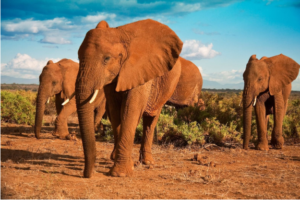
The long rains represent Kenya’s low season, with heavy afternoon downpours transforming dusty landscapes into lush, green paradises. While many travelers avoid this period, it offers distinct advantages for specific interests and priorities. Accommodation rates drop 30-50%, luxury lodges become accessible to moderate budgets, and tourist numbers dwindle, creating intimate, uncrowded experiences.
The landscape transformation is breathtaking—brown, parched savanna erupts into vibrant green carpets dotted with wildflowers. Wildlife photography benefits from dramatic skies, enhanced colors, and unique atmospheric conditions. Newborn animals from the birthing season provide endless photographic opportunities and engaging wildlife dynamics.
Birdwatching reaches its peak as resident species don breeding plumage and migrant populations remain present. Over 1,100 bird species recorded in Kenya make it a world-class birding destination, and the green season showcases this diversity brilliantly. The combination of residents, migrants, and breeding activity creates ornithological excitement that dedicated birders treasure.
Wildlife viewing, while excellent, requires different approaches. Animals disperse with abundant water sources available throughout parks, reducing predictability. However, this dispersal also means fewer vehicles at sightings, more authentic experiences, and wildlife behaving naturally without tourist pressure. The challenge of locating animals becomes part of the adventure, and experienced guides shine during these conditions.
Practical considerations include muddy roads affecting accessibility to certain areas and potential disruption from heavy rains. However, mornings typically remain clear, with rains arriving in late afternoon. Strategic planning allows full morning game drives before returning to lodges as weather changes.
November Through December: The Short Rains
The short rains represent a shoulder season offering excellent compromise between peak and low seasons. Rainfall is generally lighter and more sporadic than the long rains, often arriving as brief afternoon showers that refresh landscapes without significantly disrupting activities. Accommodation prices remain moderate, crowds are manageable, and wildlife viewing stays strong.
This period particularly suits budget-conscious travelers seeking quality experiences at reduced costs. The rains bring sufficient moisture to green up landscapes and fill seasonal water sources while maintaining concentrated wildlife around major rivers and permanent waterholes. The combination of value pricing, decent weather, and good game viewing makes November and December attractive for many visitors.
Holiday travelers should note that late December sees increased visitor numbers as families travel during school breaks, with corresponding price increases. Early November through mid-December provides the sweet spot for shoulder season benefits.
The Great Migration: Timing Your Visit
The Great Migration dominates safari timing considerations for many Kenya visitors. This annual circular movement of over two million wildebeest, accompanied by hundreds of thousands of zebras and gazelles, creates one of nature’s most spectacular phenomena. Understanding migration patterns helps travelers time visits to witness specific stages.
The herds typically arrive in Kenya’s Maasai Mara between July and August, remaining through October before returning to Tanzania’s Serengeti. River crossings occur throughout this period but cannot be predicted precisely—wildebeest gather at riverbanks for days before crossing en masse in sudden, dramatic events triggered by mysterious cues.
July offers early migration viewing with smaller crowds as herds begin arriving. August represents the peak with maximum numbers and highest crossing frequency, but also maximum tourist volumes. September and October provide excellent continued viewing with slightly reduced crowds and prices. Many experts consider September the optimal month, balancing excellent migration viewing with somewhat better value and manageable visitor numbers.
Travelers should understand that migration viewing never guarantees specific sightings. Wildlife doesn’t follow schedules, and herds move according to rainfall, grass quality, and instinctual patterns that defy precise prediction. Reputable operators and guides understand current herd locations and positions visitors optimally, but flexibility and realistic expectations remain essential.
Regional Variations: Tailoring Timing to Destinations
Maasai Mara
July through October represents prime time for the Mara, coinciding with the migration. However, the reserve offers excellent year-round wildlife viewing with high resident populations of lions, leopards, cheetahs, elephants, and other species. January through March provides outstanding game viewing without migration crowds, while April and May offer dramatic green season experiences at significantly reduced costs.
Amboseli National Park
Amboseli excels during dry seasons (June-October and January-February) when elephant herds concentrate around swamps beneath Mount Kilimanjaro’s iconic backdrop. Clear skies during these periods provide optimal photography conditions, though mornings throughout the year offer cloud-free mountain views. The park’s relatively small size and concentrated wildlife means year-round viewing remains excellent.
Samburu National Reserve
Northern Kenya’s Samburu experiences different rainfall patterns than southern regions. The reserve excels during typical dry seasons but remains accessible and rewarding during rainy periods. The specialized wildlife—Grevy’s zebra, reticulated giraffe, gerenuk, Somali ostrich, and beisa oryx—concentrates along the Ewaso Nyiro River year-round, providing consistent viewing opportunities.
Tsavo East and West
These vast wilderness areas offer excellent year-round safaris with fewer crowds than the Mara or Amboseli. The dry seasons concentrate wildlife around rivers and waterholes, while green seasons showcase the parks’ dramatic landscapes and seasonal waterfalls. Tsavo’s size means wildlife distributes widely, but this creates authentic wilderness experiences for travelers seeking solitude.
Coastal Parks and Marine Reserves
Kenya’s coast operates on slightly different seasonal patterns. The best beach weather occurs January through March and July through October, coinciding with optimal safari seasons inland. Combining safaris with beach relaxation works perfectly during these periods. Diving and snorkeling excel during calm seas typically found October through March.
Matching Your Priorities to Timing
Wildlife Enthusiasts
Die-hard wildlife watchers prioritize dry seasons (June-October and January-February) when animal concentrations peak and viewing conditions optimize. Migration enthusiasts specifically target July through October for Maasai Mara visits.
Photographers
Photography benefits from dry season clarity and wildlife concentrations, but green season offers dramatic skies, vibrant colors, and unique atmospheric conditions. Birth seasons (January-February) provide compelling subjects, while migration months offer action photography opportunities.
Budget Travelers
April, May, and November offer the best value with substantially reduced accommodation rates and fewer crowds. Wildlife viewing remains strong for those flexible about weather and willing to embrace rainy season conditions.
Birding Enthusiasts
November through April represents peak birding season when Palearctic migrants join resident species. The green seasons specifically (March-May and November-December) provide optimal birding with breeding activity, enhanced plumage, and maximum diversity.
Crowd Avoiders
March through May and November see the fewest tourists despite excellent safari opportunities. These periods suit travelers prioritizing solitude and authentic experiences over guaranteed perfect weather.
Practical Planning Considerations
Book accommodations well in advance for peak season travel (July-October), especially for Maasai Mara lodges and camps during migration months. Popular properties fill 6-12 months ahead. Shoulder and low seasons offer more flexibility with last-minute bookings often possible at reduced rates.
Pack appropriately for your travel period. Dry seasons require warm layers for cool mornings and evenings but otherwise feature pleasant conditions. Rainy seasons necessitate waterproof gear, though mornings typically remain dry. Year-round essentials include sun protection, insect repellent, and neutral-colored clothing for game drives.
Consider health precautions varying by season. Malaria risk increases during rainy periods when mosquito populations surge. Ensure appropriate prophylaxis and protective measures. Road conditions deteriorate during rains, potentially affecting access to certain areas—confirm accessibility with operators when planning wet season travel.
Combining Kenya with Other Destinations
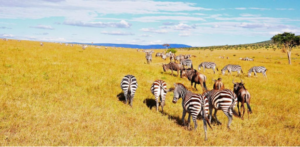 Many travelers combine Kenya safaris with Tanzania’s Serengeti, creating comprehensive migration experiences. Timing requires careful coordination—the herds migrate between countries following grass growth and rainfall. December through June sees herds primarily in Tanzania, while July through October finds them in Kenya.
Beach extensions to Kenya’s coast or Zanzibar work well year-round but particularly during October through March when seas remain calm. Gorilla trekking additions to Rwanda or Uganda operate year-round, though dry seasons (June-September and December-February) provide easier trekking conditions.
Conclusion
Determining the best time to go Kenya safari ultimately depends on balancing multiple factors including wildlife priorities, weather preferences, budget constraints, and crowd tolerance. Kenya’s remarkable advantage lies in offering rewarding safari experiences year-round, with each season delivering unique advantages and distinct character.
The dry seasons from June through October and January through February provide optimal wildlife viewing conditions, concentrated animal populations, and excellent weather at premium prices with significant crowds. The Great Migration’s presence in the Maasai Mara July through October creates unparalleled spectacle for those able to navigate high season logistics and costs.
The rainy seasons offer compelling alternatives for budget-conscious travelers, photography enthusiasts, birders, and those seeking authentic, uncrowded experiences. The dramatic landscape transformations, newborn animals, and reduced tourist presence create intimate safari experiences at substantially lower costs, requiring only flexibility regarding weather and acceptance of occasional afternoon rain showers.
Perhaps the wisest approach recognizes that no single “best” time exists universally—rather, the optimal timing for your Kenya safari aligns with your specific priorities, interests, and constraints. Kenya’s extraordinary wildlife diversity, varied ecosystems, and year-round safari opportunities ensure that whenever you visit, remarkable experiences await. The key lies in understanding what each season offers, setting realistic expectations, and embracing the unique character of your chosen travel period.
Whether witnessing desperate wildebeest plunging into crocodile-infested rivers, photographing newborn zebra foals testing wobbly legs, enjoying private game drives in empty parks during green season, or watching elephants parade beneath Kilimanjaro’s snow-capped peak, Kenya delivers safari magic throughout the calendar. Your best time to go Kenya safari is the time that works for you—planned thoughtfully, researched thoroughly, and anticipated eagerly.
Key Takeaways
- Kenya offers excellent year-round safari opportunities with distinct advantages in each season based on personal priorities
- The dry seasons (June-October and January-February) provide optimal wildlife viewing with concentrated animals and clear weather
- The Great Migration occurs in the Maasai Mara July through October, with August typically seeing peak numbers and activity
- July-October represents peak season with highest prices, largest crowds, and best wildlife viewing conditions
- January-February offers excellent dry season safaris with lower tourist numbers and reduced costs compared to July-October
- Rainy seasons (March-May and November-December) provide 30-50% cost savings, dramatic landscapes, and intimate uncrowded experiences
- The long rains (March-May) deliver the lowest prices and most vibrant landscapes but with heavier rainfall and muddy roads
- The short rains (November-December) offer excellent shoulder season compromise with moderate prices, manageable crowds, and good wildlife viewing
- September is often considered the optimal month, balancing excellent migration viewing with slightly reduced crowds
- Birth season (January-February) provides compelling wildlife dynamics with thousands of newborn animals attracting predators
- Birding enthusiasts should target November through April when migrant species join residents
- Budget travelers find best value during April, May, and November when accommodation costs drop significantly
Frequently Asked Questions
What is the absolute best month for a Kenya safari?
September often represents the optimal single month, offering excellent Great Migration viewing in the Maasai Mara with slightly fewer crowds than July-August. Wildlife concentrations remain high throughout Kenya, weather stays dry and pleasant, and photography conditions excel. However, July-August provides peak migration action, while January-February offers outstanding game viewing at lower costs without migration crowds. The “best” month ultimately depends on priorities.
When should I visit for the Great Migration?
The Great Migration reaches Kenya’s Maasai Mara between July and October. July sees herds arriving, August typically brings peak numbers and maximum river crossing activity, September continues strong viewing with manageable crowds, and October shows herds beginning their return south. For optimal migration experiences with somewhat better value and fewer tourists, September is ideal. However, exact timing varies annually based on rainfall patterns.
Is Kenya good for safari during rainy season?
Yes, Kenya offers rewarding safaris during rainy seasons despite popular misconceptions. The long rains (March-May) bring dramatic landscape transformations, excellent birding, newborn animals, and 30-50% cost savings. The short rains (November-December) provide lighter rainfall with good wildlife viewing and moderate prices. Morning game drives typically occur before afternoon rains arrive. Wildlife viewing requires different approaches as animals disperse, but experiences become more authentic and uncrowded.
What’s the worst time to visit Kenya for safari?
No time is truly “bad” for Kenya safaris. April and early May see the heaviest rainfall with some roads becoming challenging and certain areas less accessible, but these months offer lowest prices and most dramatic landscapes. The combination of excellent value, vibrant scenery, and reduced crowds appeals to flexible travelers. Those requiring guaranteed perfect weather and maximum wildlife concentrations should avoid these months.
How far in advance should I book for peak season?
Book 6-12 months ahead for July through October, especially for Maasai Mara accommodations during migration months. Popular luxury lodges and camps fill earliest. January-February requires 3-6 months advance booking. Shoulder seasons (November and March) offer more flexibility with 2-3 months typically sufficient. Rainy season travel often allows last-minute bookings, though advance planning still recommended for preferred properties.
Can I see wildlife year-round in Kenya?
Absolutely. Kenya maintains exceptional resident wildlife populations ensuring year-round game viewing opportunities. While seasonal variations affect animal concentrations and distribution, all major species including the Big Five remain visible throughout the year. Dry seasons concentrate animals around permanent water sources, while rainy seasons disperse wildlife across broader areas. Experienced guides locate animals efficiently regardless of season.
Is January or February a good time for Kenya safari?
Yes, January-February represents an excellent period often overlooked by travelers. This short dry season offers outstanding game viewing, clear weather, lower tourist numbers than July-October, and more affordable rates. Birth season brings thousands of newborn animals attracting predators and creating dynamic wildlife interactions. Birding remains excellent with migrant species still present. For value-conscious travelers seeking quality experiences without peak season crowds, January-February is ideal.
Should I avoid Kenya during November or December?
No, November-December offers excellent shoulder season opportunities. The short rains are typically lighter and less disruptive than long rains, often arriving as brief afternoon showers. Wildlife viewing remains strong, prices stay moderate, and crowds are manageable. Early November through mid-December provides particularly good value. Late December sees increased visitors during holiday periods with corresponding price increases. For budget-conscious travelers willing to accept occasional rain, this period delivers excellent experiences.

